

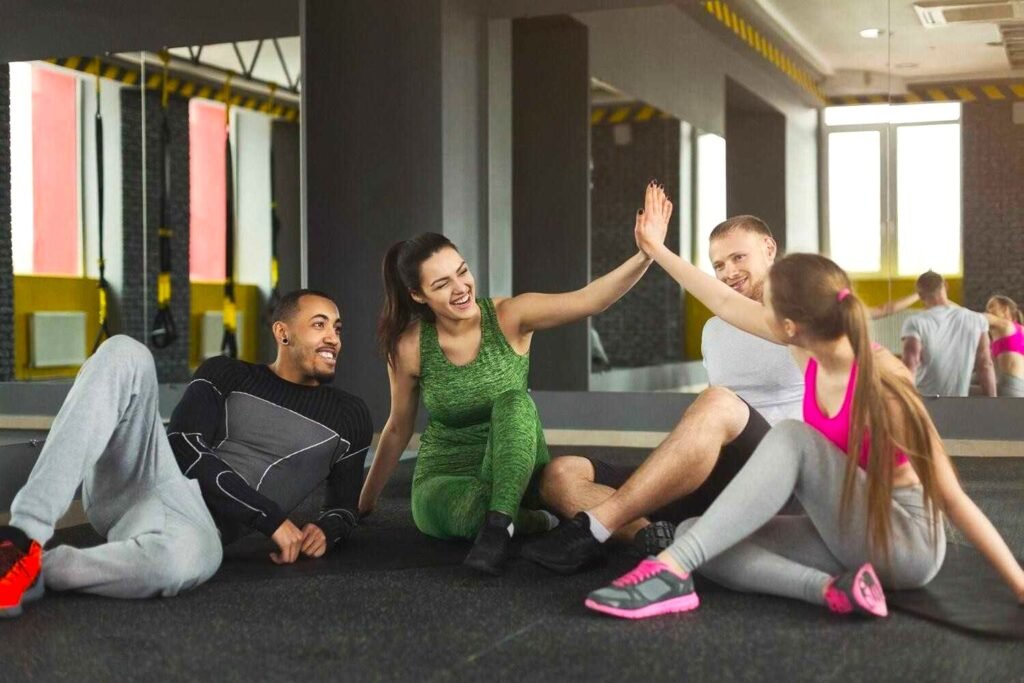
Evening teen fitness classes held at 7 PM boost adolescent confidence by optimizing stress recovery, providing a supportive social outlet after school, and reinforcing self-efficacy through progressive athletic coaching. Exercising at this time enables adolescents to release the built-up stress of academic hours and better manage circadian spikes in cortisol levels while building lifelong somatic resilience.
Neurobiology and Circadian Mechanisms of Evening Exercise in Adolescents
Late afternoon and early evening hours represent distinct phases of physiological change for adolescents, making 7 PM training uniquely effective for overall well-being. During teenage development, circadian rhythms shift naturally to delay melatonin release, creating a baseline for heightened alertness and physical performance during early evening hours. Physiological data reveal that body temperature, core muscle flexibility, and reaction times reach peak levels between 5 PM and 8 PM. Structured teen fitness classes combine physical exertion with optimal biological readiness, capitalizing on this natural window when teens have the greatest capacity for engaging in sophisticated movement patterns with high skill and low fatigue.
Evening group training establishes a clear psychological boundary between academic work and night recovery. Throughout the school day, adolescents are exposed to mental fatigue and increased levels of cortisol due to prolonged sitting, standardized testing, and social evaluation. Structured teen fitness classes held at 7 PM provide an active outlet for working through this physiological stress response. Cardiovascular training releases endorphins and reduces sympathetic nervous system drive, clearing mental fatigue and balancing emotional systems before sleep cycles begin.
Physical conditioning and neuroplasticity are key drivers of cognitive development in young adults. Organized physical activity for children with an evening schedule stimulates neurotrophic growth factors associated with learning consolidation and emotional self-regulation. Physical accomplishments after school hours, such as learning or practicing new movements as a teenager, are processed by the brain during deep sleep to help develop a confident mind and strengthen positive self-worth. This neurobiological feedback loop converts physical capability into real mental confidence.
Building Adolescent Self-Efficacy Through Evening Group Conditioning
During teenage years, developing a strong sense of self-value relies on setting achievable goals, mastering new skills, and receiving positive affirmation from peers and coaches. Targeted teen fitness classes provide an ideal environment for young adults to evolve, offering an atmosphere that rewards effort with tangible results rather than social media validation.
-
Progressive Development of Strength and Agility: Functional movements in kids strength and agility training teach body control, posture, and spatial awareness, directly increasing self-confidence.
-
Stress Release and Cortisol Balance: Engaging in high-intensity movement after completing schoolwork releases pent-up emotional tension and resets autonomic stress levels.
-
Peer-Led Community Validation: Moving kids away from isolation and into structured group fitness for kids creates constructive companionship, shared responsibility, and a healthy social circle outside of school.
Teenagers participating in progressive training protocols directly experience the correlation between effort and skill mastery. Enrolling in after-school fitness programs or working with a personal trainer for kids during evening teen fitness classes assists youngsters with setting sensible physical objectives, tracking performance metrics, and celebrating personal bests. When teenagers see that gradual progress through regular practice builds healthy bodies, they learn that the same principle applies to academic and social challenges.
Young people develop psychological resilience by working through mild physical discomfort in a safe environment. High-intensity training requires concentration, grit, and determination. Supportive kids sports classes help teens learn that physical exertion can be challenging, but that discomfort is bearable and temporary. This physical understanding protects emotional stability during real-life stress, creating a grounded, resilient mindset.
Integrating Physical Literacy and Healthy Routines into Evenings
Having consistent healthy kids workouts in the evening helps teens structure their time and reduce passive screen usage. For teenagers, late afternoons and evenings are often filled with unstructured time where digital devices become default companions, social media comparisons rise, and sedentary behaviors elevate social anxiety.
-
Digital Detoxification: Attending scheduled evening classes disconnects teenagers from smartphones and artificial lighting during peak hours of screen use.
-
Circadian Rhythm Discipline: Working out at 7 PM increases core body temperature, which gradually decreases over two hours to signal nighttime sleepiness.
-
Nutritional Accountability: Establishing an evening training routine encourages proper hydration and balanced nutrition to fuel workouts and support recovery.
A well-organized training routine creates consistency that stabilizes emotional health during adolescence. Parents looking for kids fitness classes or kids fitness classes near me often find evening options convenient for busy schedules, providing structured, healthy exercise after homework is complete. Involvement in organized physical activity for children at 7 PM fosters time management skills, as students learn to set aside time for academic obligations earlier in the afternoon.
Evening exercise creates long-lasting health patterns that carry into early adulthood. Exposure to children exercise programs and youth fitness programs guides appropriate exercise selection, warm-up protocols, and recovery strategies. Learning how to care for one’s body mitigates long-term risks of anxiety, depressive symptoms, and physical inactivity, establishing a lifetime foundation of physical literacy.
Real-World Application: Mindset and Behavior Outcomes in Adolescents
Implementation of structured youth conditioning programs has demonstrated quantifiable changes in mental health outcomes, social participation, and stress management among adolescents.
High school students were evaluated in a 16-week youth fitness program held at 7 PM three times per week. Before joining, 68 percent of participants reported high evening stress levels and frequent difficulty falling asleep. After 16 weeks, tracking data showed a 42 percent drop in self-reported anxiety scores as well as significant improvements in sleep onset efficiency. Participants noted that releasing school-related stress during evening workouts allowed them to sleep soundly and wake up calmer and more focused for the next school day.
A secondary study observed academic self-esteem in high school athletes participating in fun fitness for kids and specialized kids sports classes. Researchers assessed subjects before and after a semester of evening group workouts. Students involved in consistent 7 PM training demonstrated higher classroom participation, better conflict resolution skills, and increased confidence when tackling difficult projects. The physical self-efficacy learned on the training floor transferred directly into greater cognitive resilience in academic environments.
People Also Ask (PAA)
Why are 7 PM teen fitness classes effective for adolescent confidence?
Teen fitness classes held at 7 PM help burn off daily academic stress when evening drive and physical readiness are naturally high, building competence, movement mastery, and self-confidence through a structured physical outlet.
How does evening exercise impact teenage sleep and anxiety levels?
Working out at 7 PM releases built-up daily cortisol, stimulates feel-good endorphins, and raises core body temperature. The subsequent cooling effect two hours later encourages natural melatonin release, improving sleep quality and lowering evening anxiety.
What is the difference between general sports and specialized teen fitness classes?
Specialized teen fitness classes focus on individual movement mechanics, strength, agility, and personal progress without the pressure of competitive team outcomes, making them ideal for building personal self-esteem.
How often should teenagers participate in evening group fitness programs?
Teenagers benefit most from participating in structured fitness programs 3 to 4 times per week, balancing high-intensity exertion days with active recovery and proper nutrition.
Can evening exercise help teenagers manage social anxiety?
Yes, group fitness classes provide a supportive, non-judgmental environment focused on shared physical goals, helping teenagers build authentic social connections and reduce social anxiety.